24 May 2026


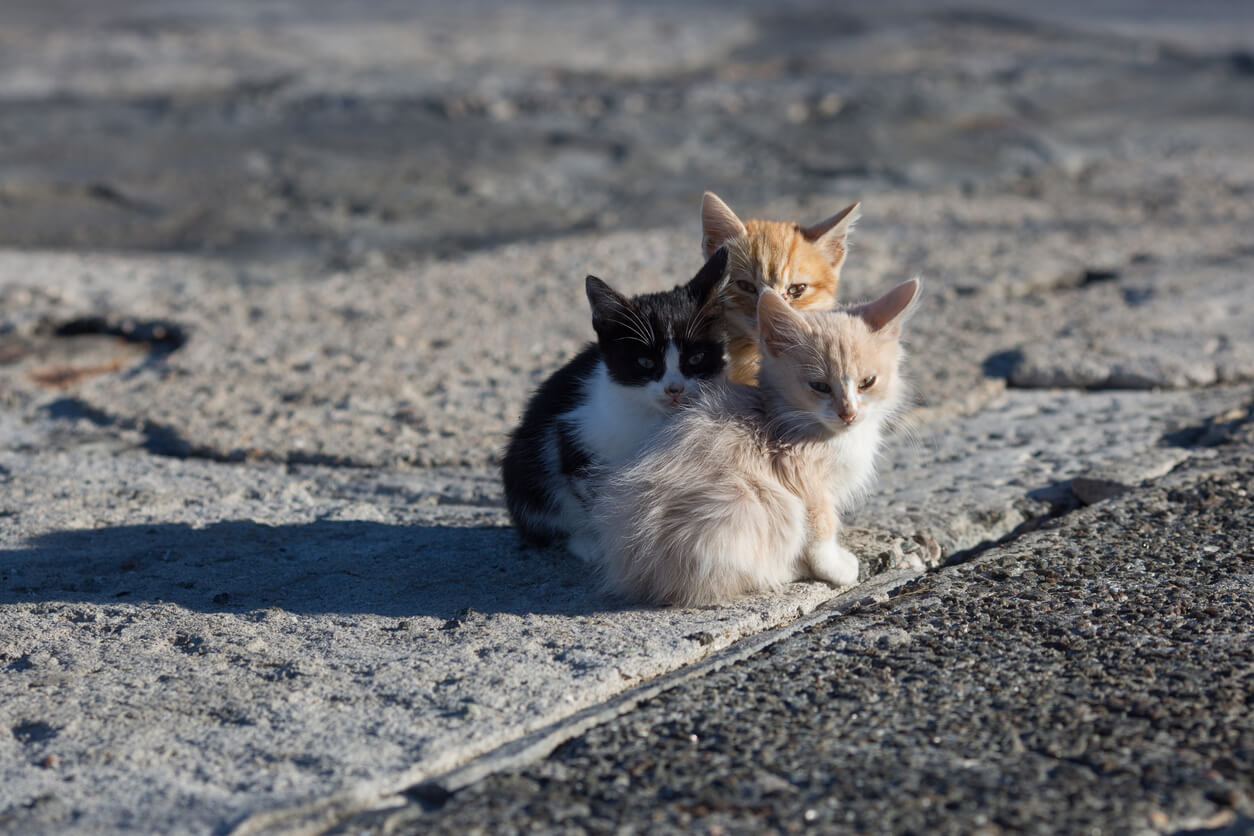
Most people don’t wake up one morning and think, “Today feels like a good day to give up my pet.” In reality, pet relinquishment usually happens slowly, after a series of worries, compromises, and “I’ll deal with that later” moments.
Pet relinquishment prevention: why supporting owners works
A recent study by Powdrill-Wells and colleagues looked at what actually helps keep pets in homes, and the answer wasn’t stricter rules or louder lectures. It was something much simpler (and kinder): supporting people before they hit crisis point.
Why most pet owners want to keep their pets
The researchers worked closely with a local community and discovered something many of us already know deep down: most pet owners care deeply about their animals. They’re not careless or uncaring, they’re often overwhelmed, short on time, worried about costs, or unsure whether a problem is “serious enough” to justify a vet visit. (Is this limp a thing… or just a dramatic phase?)
Understanding barriers to pet care and vet access
Instead of telling people what they should be doing, the project focused on understanding real-life barriers and then co-creating solutions with the community. That meant listening first, designing services with people rather than for them, and making support genuinely accessible.
Community pet support programs and low-cost veterinary care
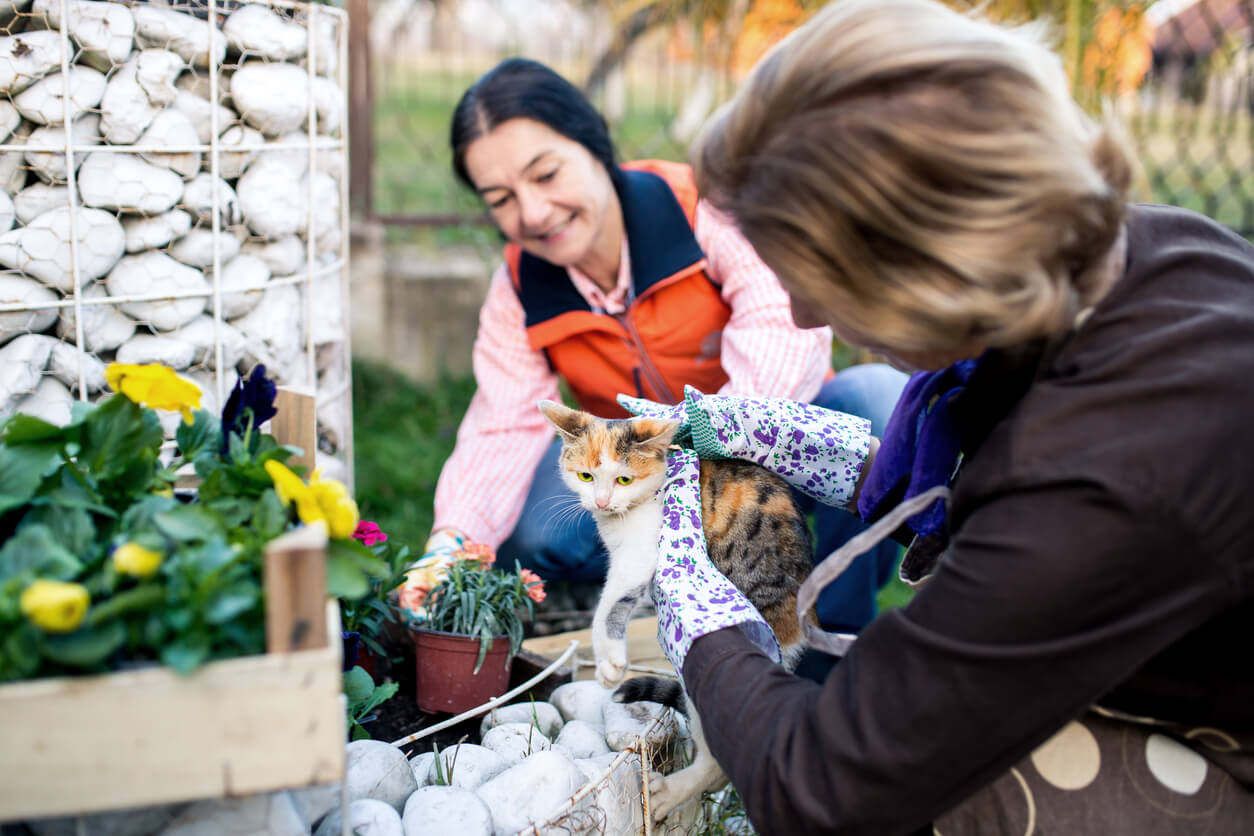
One simple example? Free or low-cost community pet health checks. Not scary. Not judgemental. Just practical help, delivered in places people already trust, community centres, local shops, even homes. These checks helped catch health issues early, built confidence, and quietly reminded people that help exists long before surrender feels like the only option.
Reducing stigma in animal welfare and pet support services
The study also found something important: when support is framed as “this is for everyone”, not just people in crisis, more people engage. No stigma. No assumptions. Just neighbours helping neighbours (and their pets).
Benefits of keeping pets in homes for communities and shelters
And here’s the bonus round: supporting owners doesn’t just help animals. It reduces stress on rescue organisations, lowers burnout for staff and volunteers, and keeps families, human and animal, together. Everyone wins. Even the cat who definitely did not want to go in the carrier that day.
Community-led animal welfare solutions that keep pets and people together
The takeaway? If we truly want better outcomes for pets, we need fewer finger-wagging campaigns and more practical, community-led solutions. When we meet people where they are, instead of where we think they should be, good things happen.
Kindness in animal welfare is effective and evidence-based
Turns out, kindness isn’t just nice. It’s effective. 🐾